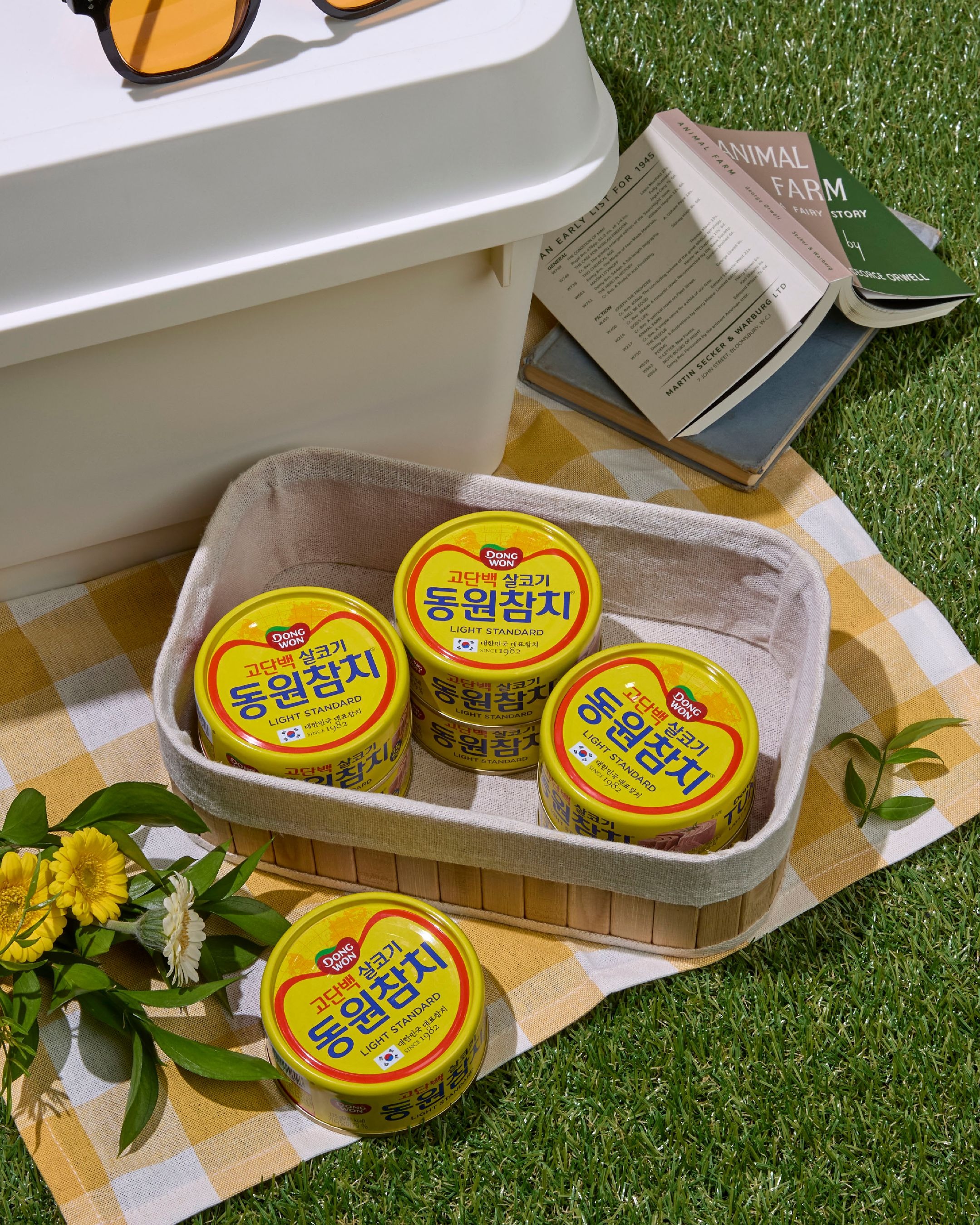
Dongwon Tuna Product Comparison
2026-10-29
Key Summary — Dongwon Tuna high-protein convenient foods allow you to compare protein, fat, calories, and sodium by product at the standard of per 100g. Dongwon Super Tuna Low-Sodium Yellowfin and Dongwon Super Tuna Protein 30 differ not only in protein content but also in fat and sodium levels, so it's recommended to check both the nutritional information and ingredients in the product details. Since taste preferences vary individually, it's important to check the ingredient composition in addition to nutritional figures rather than judging by nutrition values alone.
What criteria should you check when choosing a high-protein convenient food?
When choosing Dongwon Tuna as a high-protein convenient food, first match the serving size, then check protein, fat, calories, and sodium by the same standard. You should distinguish whether the nutritional information for Dongwon Tuna products is displayed per 100g or converted to per 1 can (135g).
- Serving Size: Check the product's net weight and solid content. If eating the entire can, check the per 100g value as well as the per 1 can (135g) converted value separately.
- Protein: Check the grams of protein per 100g and the percentage relative to the daily reference value. The "high" protein standard is 20% or more of the daily reference value of nutritional components per 100g.
- Fat: Check the total fat in grams. Don't just look at the protein figure; compare the fat content across products as well.
- Calories: Distinguish between calories per 100g and calories in the actual amount consumed. Even identical 135g cans may have different calories depending on the product.
- Sodium: Check the sodium in mg per 100g and the percentage relative to the daily reference value. Compare based on the displayed sodium figures rather than the product name.
The % in nutritional information represents the ratio based on the daily reference values: 55g for protein, 54g for fat, and 2,000mg for sodium.
How different are the protein, fat, and calories among Dongwon Tuna products?
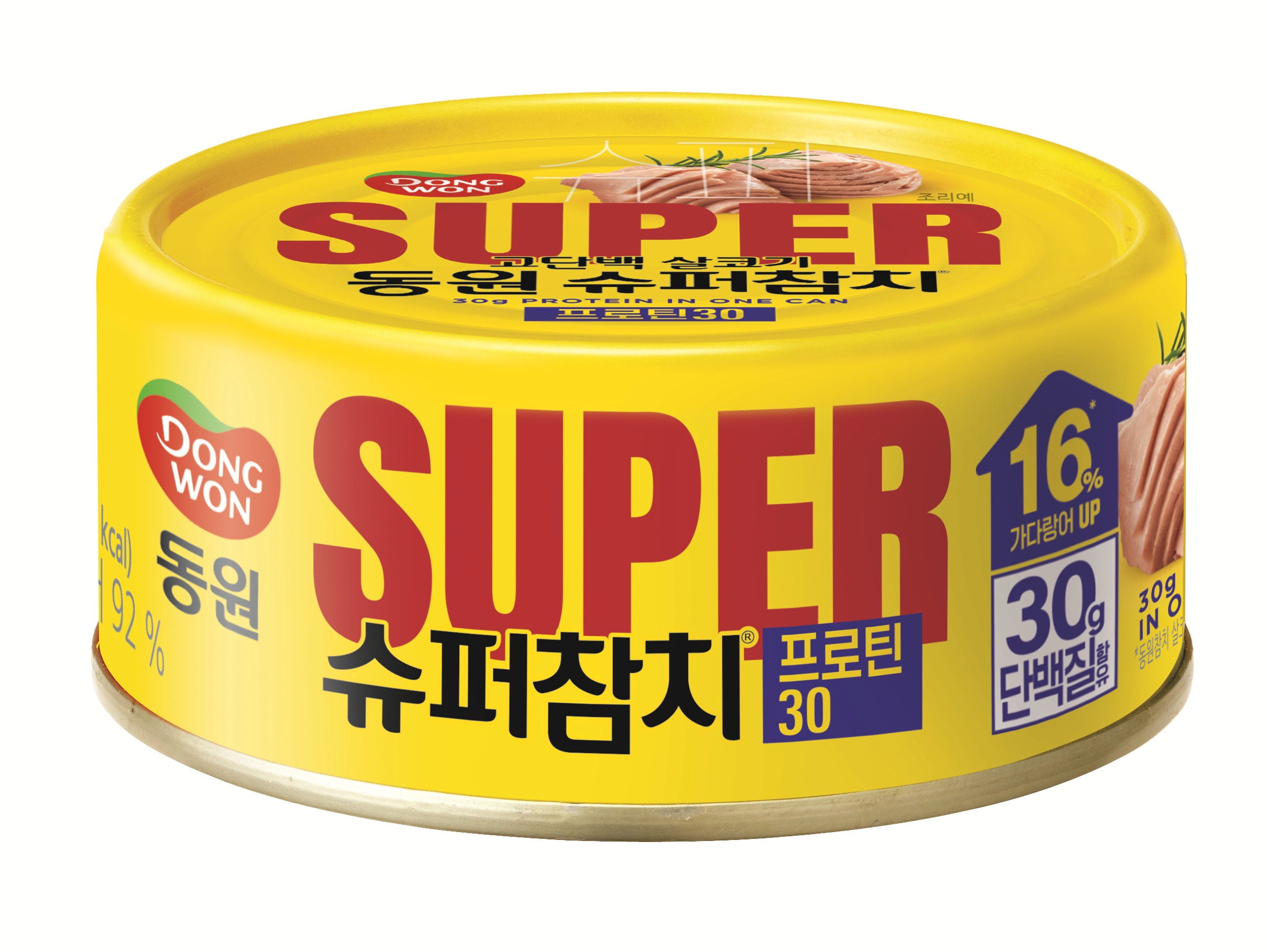
The two Dongwon Tuna high-protein convenient foods have different protein, fat, and calorie values per 100g. For the lowest fat, you can refer to Dongwon Super Tuna Low-Sodium Yellowfin's fat content of 0.6g, and for the highest protein, Dongwon Super Tuna Protein 30's protein content of 22.3g.
| Product | Calories | Protein | Fat | Saturated Fat | Sodium |
|---|---|---|---|---|---|
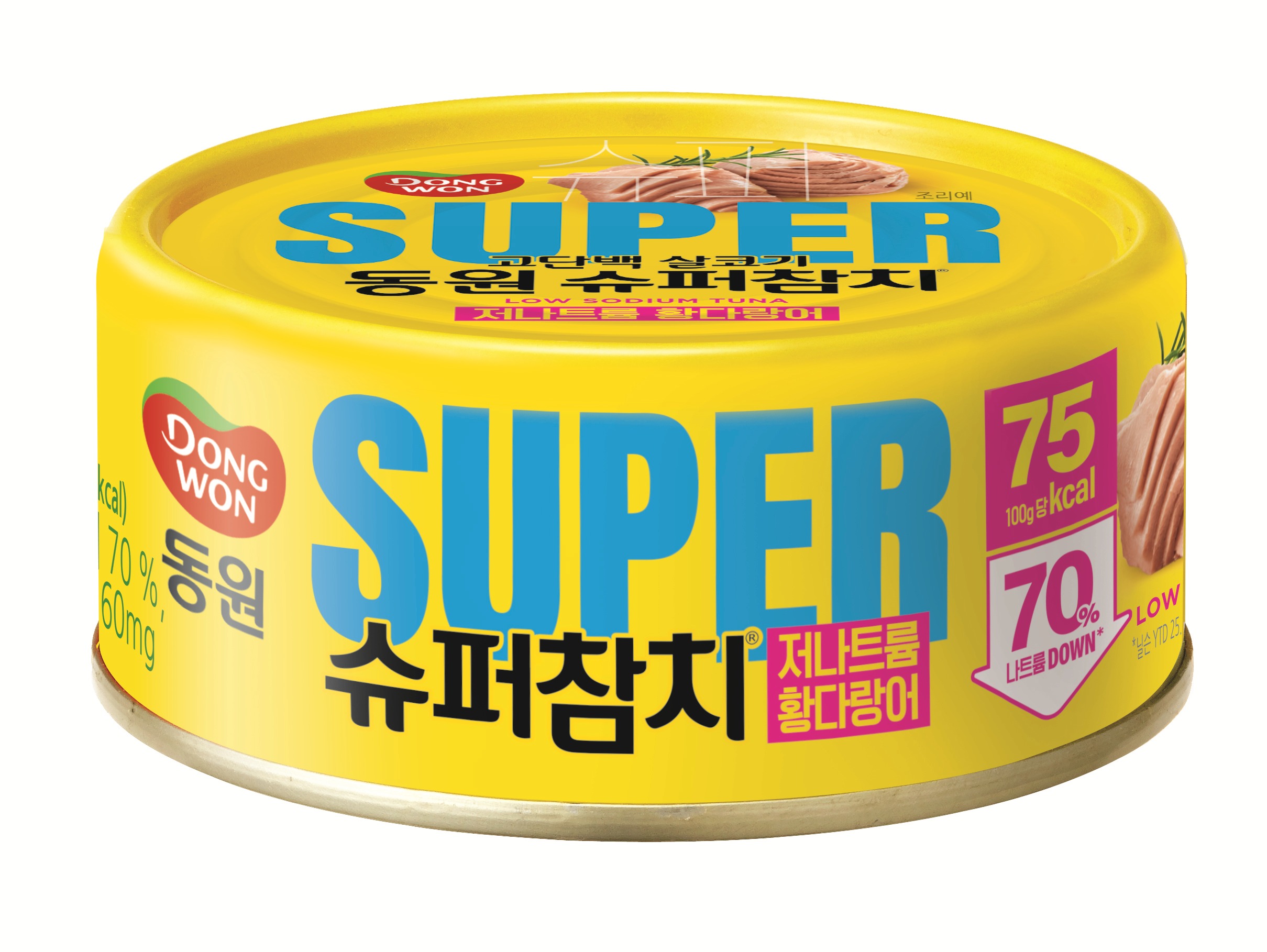
| Dongwon Super Tuna Low-Sodium Yellowfin | 75kcal | 17g | 0.6g | 0g | 119mg |
| Dongwon Super Tuna Protein 30 | 160kcal | 22.3g | 8g | 0.7g | 500mg |
Reference: Per 100g (1 can value converted to 135g) · Confirmed date: 2026-10-22 · Source: Product details displayed at Dongwon Mall
- Dongwon Super Tuna Low-Sodium Yellowfin 1 can (135g) conversion: approximately 101kcal calories, approximately 23.0g protein, approximately 0.8g fat, approximately 161mg sodium.
- Dongwon Super Tuna Protein 30 1 can (135g) conversion: approximately 216kcal calories, approximately 30g protein, approximately 11g fat, approximately 680mg sodium.
Why do nutritional information figures differ by product?
The protein content, fat, calories, and sodium of Dongwon Tuna high-protein convenient foods are displayed differently depending on the ingredient composition of each product. Even though they are the same canned tuna, the species of fish used, the ratio of tuna, and the ingredients used together such as water and oil differ, so you need to check the nutritional information for each product.
Dongwon Super Tuna Low-Sodium Yellowfin uses 70% yellowfin tuna with purified water, onion and carrot vegetable juice, and yeast extract. Meanwhile, Dongwon Super Tuna Protein 30 uses 92% skipjack tuna with refined olive oil, purified water, and onion and carrot vegetable juice.
Therefore, the calorie, fat, protein, and sodium displays of the two products are different. Rather than judging based on the product name, it is more accurate to check both the ingredient list and the nutritional information per 100g in the product details on Dongwon Mall.
How should you read nutritional information according to your dining situation?
For Dongwon Tuna high-protein convenient foods, you can check the nutritional information in the order of protein, calories, sodium, and fat depending on your dining situation. The displayed values for both products are per 100g, so when eating one can, you should also distinguish whether it is the "per 1 can (135g) converted" figure.
- When you want to supplement protein for a meal: First check the protein column. Dongwon Super Tuna Protein 30 contains 22.3g of protein per 100g, while Dongwon Super Tuna Low-Sodium Yellowfin contains 17g. The protein per 1 can (135g) conversion is approximately 30g and approximately 23.0g respectively.
- When you want to manage calories together: Check both the calorie and fat columns together. Per 100g, calories are 75kcal for Dongwon Super Tuna Low-Sodium Yellowfin and 160kcal for Dongwon Super Tuna Protein 30, with fat content of 0.6g and 8g respectively. According to the Korea Disease Control and Prevention Agency's "2025 National Health and Nutrition Examination Survey," the fat energy intake ratio was 28.7% for both males and females, and both males and females in their 20s and 30s exceeded the 30% upper limit of the appropriate fat energy ratio.
- When you want to check sodium together: Check the sodium column and the percentage relative to the daily reference value. Dongwon Super Tuna Low-Sodium Yellowfin contains 119mg (6%) per 100g, while Dongwon Super Tuna Protein 30 contains 500mg (25%). The daily reference value for sodium is 2,000mg.
Frequently Asked Questions (FAQ)
Q: Where can I check protein, fat, and calories?
You can find Dongwon Tuna's protein, fat, and calories on the back of the can in the nutritional information and on the official Dongwon Mall product details page. When comparing products, align the displayed standard of per 100g figures, and check the net weight together when the per can standard is needed.
Q: Why do the figures differ by product?
Nutritional information for Dongwon Tuna products may vary because the type of tuna, how it is packaged, supporting ingredients, and net weight can differ. When comparing protein, fat, and calories, it's good to check using the same reference amount, such as the per 100g displayed value for each product.
Reference Materials
- Dongwon Mall — Dongwon Super Tuna Low-Sodium Yellowfin Product Details (Display information confirmed date 2026-10-22)
- Dongwon Mall — Dongwon Super Tuna Protein 30 Product Details (Display information confirmed date 2026-10-22)
- Korea Law Information Center — "Enforcement Rules of the Act on Indication and Advertisement of Foods, etc." Appendix 5 Daily Reference Values of Nutritional Components
- Ministry of Food and Drug Safety Notification "Food Display Standards" Appendix 1 Detailed Criteria for Nutritional Content Emphasis Display
- Korea Disease Control and Prevention Agency "2025 National Health and Nutrition Examination Survey" Results Announcement (September 30, 2026; 2025 results are provisional) — National Health and Nutrition Examination Survey Website
Learn More
-
 2026-10-29
-
 2026-10-29
-
 2026-10-29
-
 2026-09-18
-
 2026-09-10
-
 2026-09-04