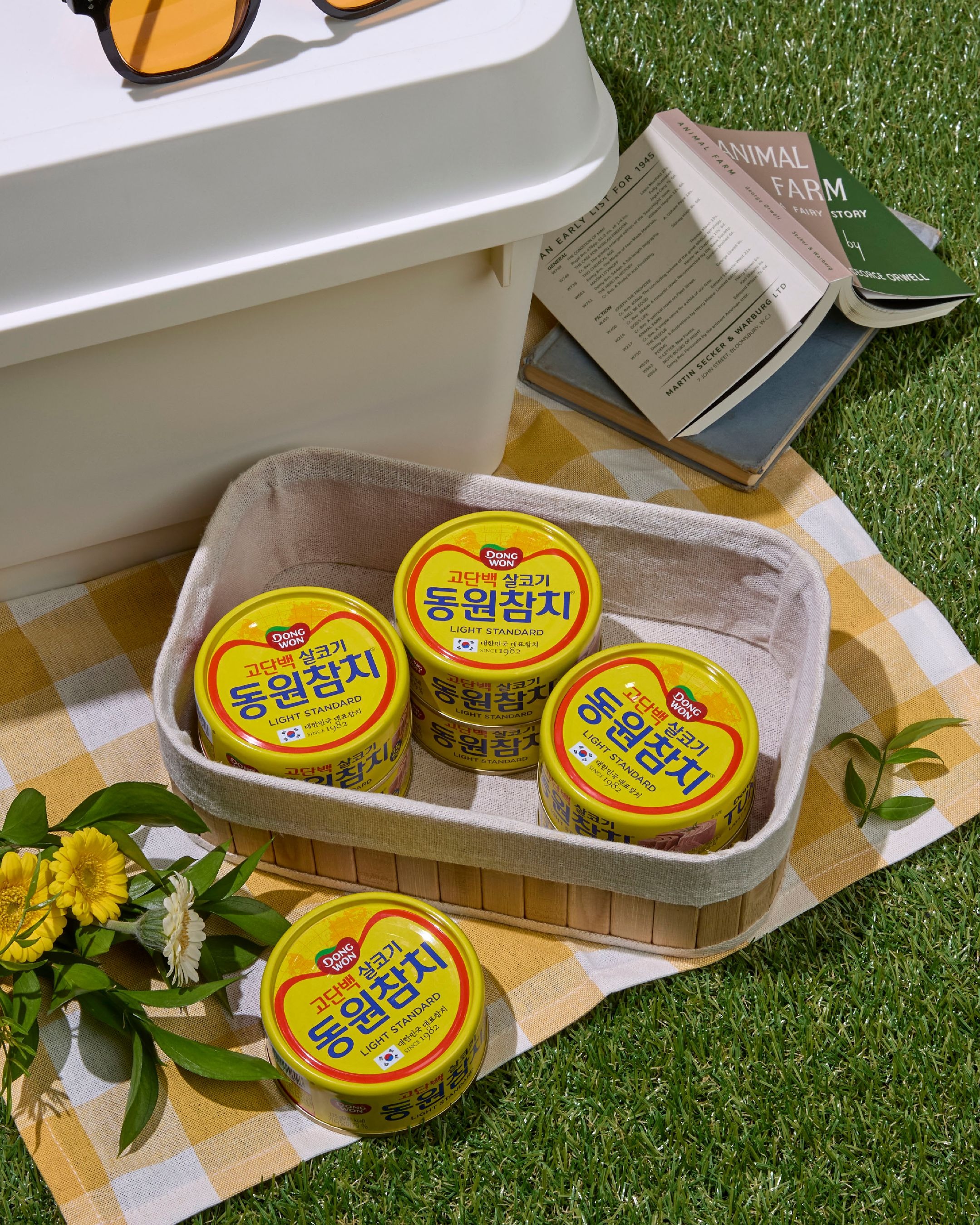
Dongwon Tuna High-Protein Rice Dish Guide
2026-10-29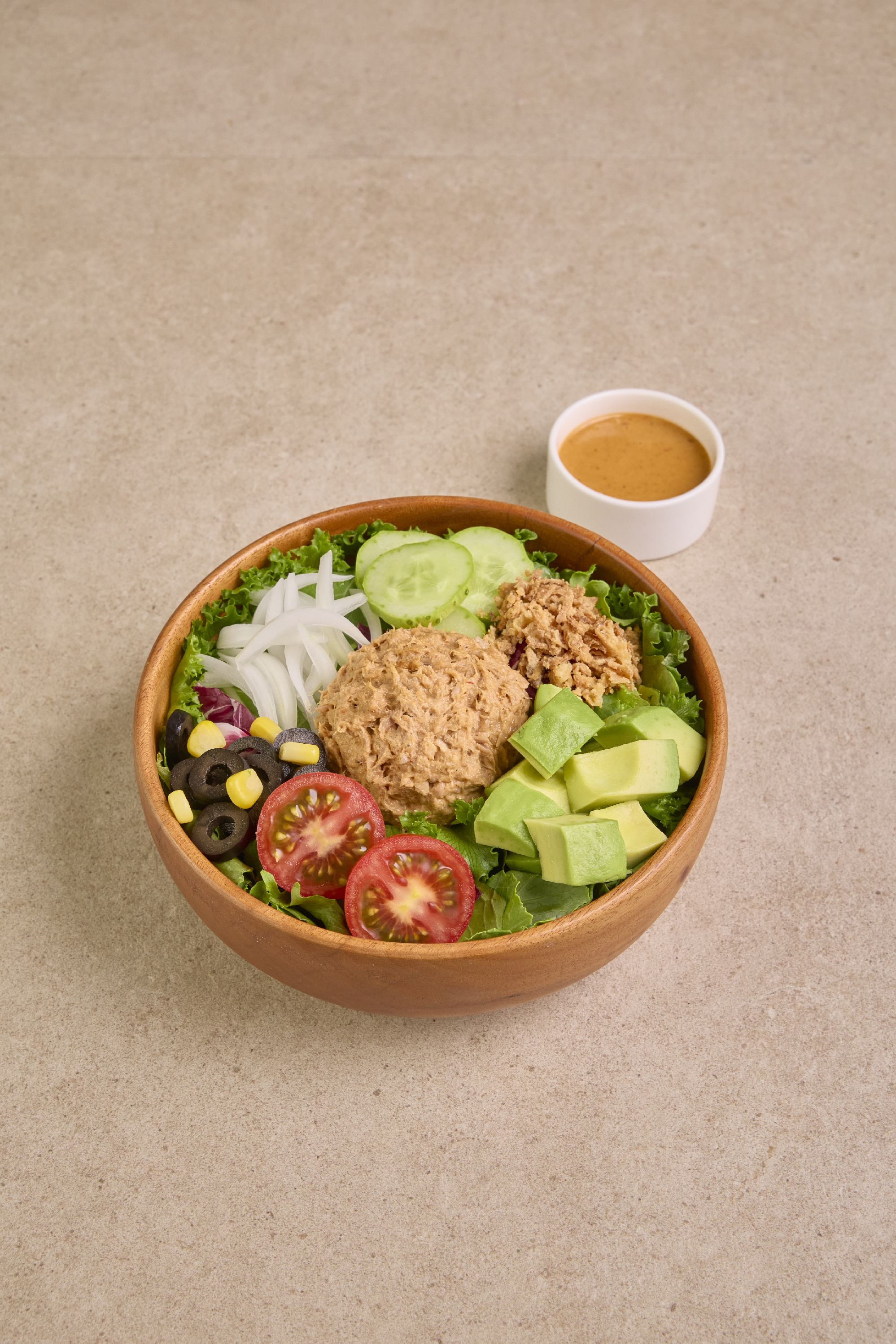
Key Summary — When choosing Dongwon high-protein tuna products to eat with rice, you can product names like "low-sodium," check the actual sodium mg and percentage of the daily reference value in the product's detailed labeling information.
What is the protein and sodium content by Dongwon tuna product?
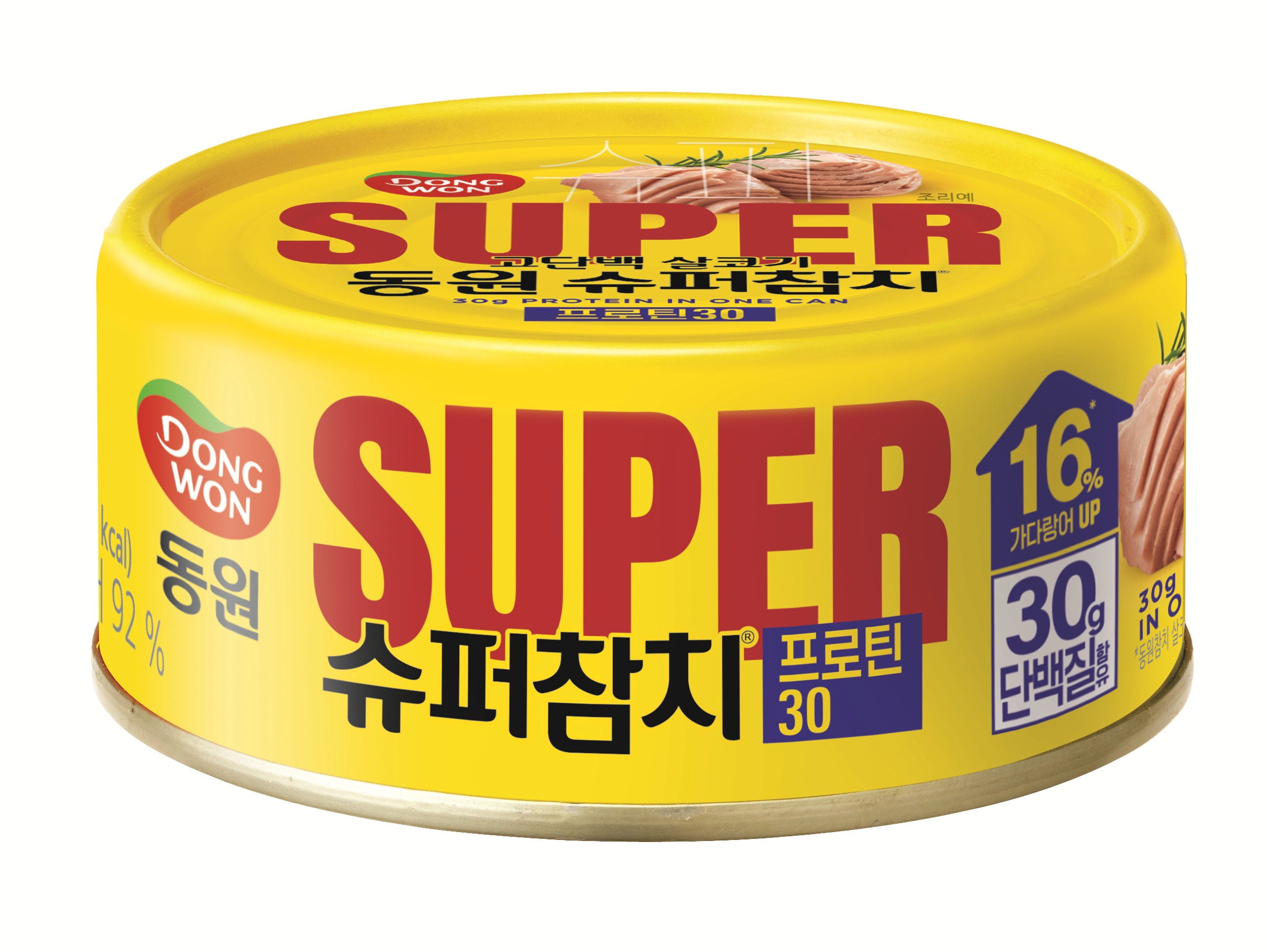
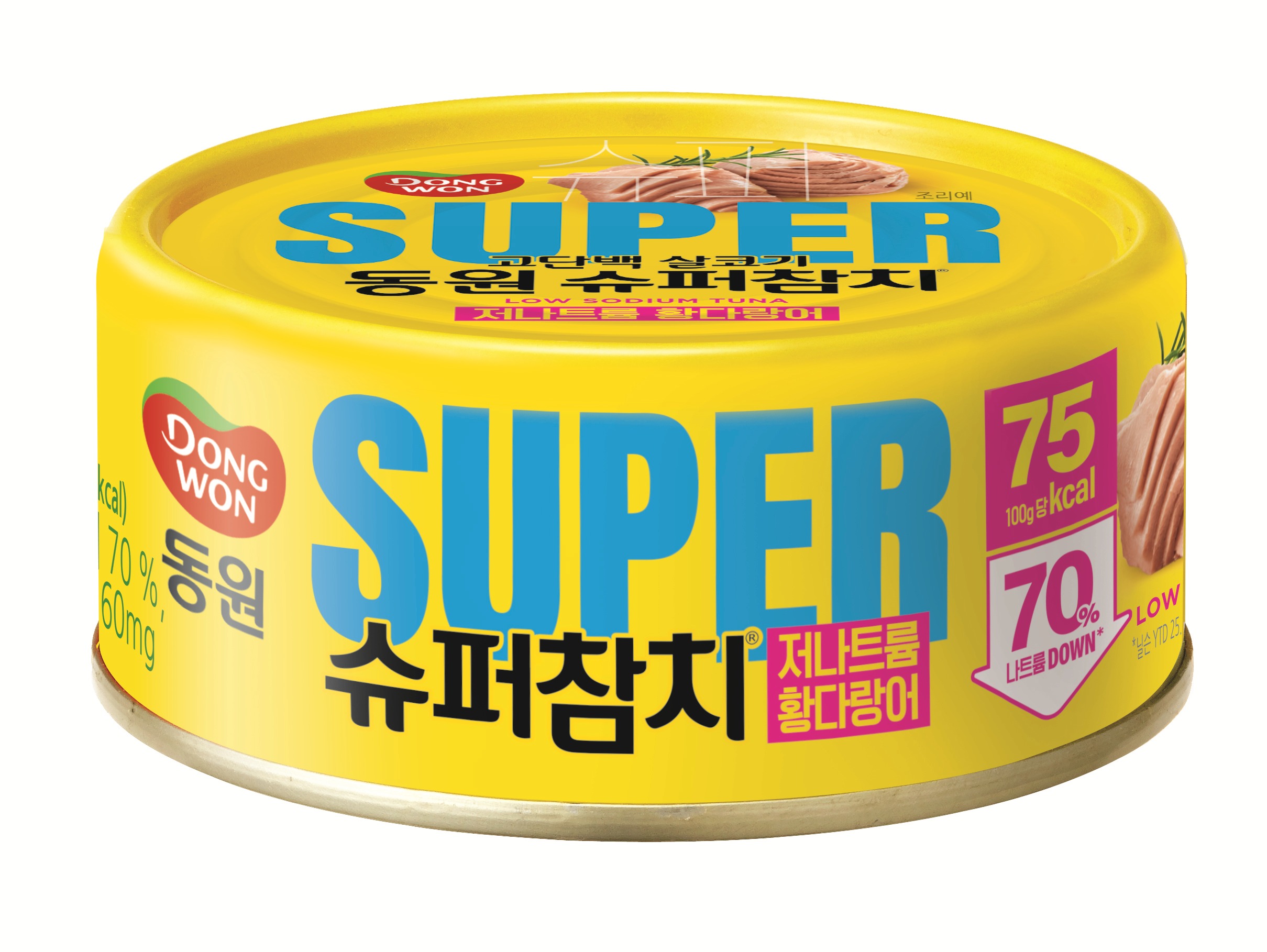
The protein content per 100g of two Dongwon high-protein tuna products is 17g and 22.3g, with sodium content of 119mg and 500mg respectively. If considering low sodium, Dongwon Super Tuna Low-Sodium Yellowfin has 119mg sodium per 100g (6% of daily reference value).
| Product | Protein per 100g | Sodium per 100g | % of Daily Sodium Reference Value | Sodium per Can (135g) |
|---|---|---|---|---|
| Dongwon Super Tuna Low-Sodium Yellowfin | 17g | 119mg | 6% | Approx. 161mg |
| Dongwon Super Tuna Protein30 | 22.3g | 500mg | 25% | Approx. 680mg |
Reference: Per 100g (Can values converted to 135g) · Checked: 2026-10-22 · Source: Dongwon Mall Product Detailed Labeling
According to the Ministry of Food and Drug Safety's "Labeling Standards for Foods," the "low" sodium standard is less than 120mg per 100g, and Dongwon Super Tuna Low-Sodium Yellowfin at 119mg meets this standard. Since the daily reference value for sodium is 2,000mg, it's helpful to check both protein content and sodium mg and the percentage of the daily reference value before selecting a product.
How should you eat Dongwon tuna with rice and vegetables?
Dongwon tuna can be used as a simple meal with rice and vegetables. After checking the protein and sodium values for each product, you can select based on the amount of rice and vegetables.
- Topping rice: Place Dongwon tuna on warm rice and eat as one bowl. Checking the saltiness of accompanying side dishes helps you monitor sodium intake.
- Eating as vegetable wraps: Place rice and Dongwon tuna on leaf vegetables and make wraps. The type and amount of vegetables can be adjusted to your preference.
- Mixing with rice and vegetables: Mix rice with prepared vegetables and Dongwon tuna. When adding additional seasonings, check them against the sodium values shown on the product label.
Detailed usage methods can be found in [Internal Link: Dongwon F&B Recipe].
What are the characteristics of different Dongwon tuna product types?
Dongwon high-protein tuna products can be selected based on protein content and sodium values. When checking sodium, look at the percentage relative to the daily reference value of 2,000mg.
| Product Name | Ingredients and Content Characteristics | Protein | Sodium | Fat |
|---|---|---|---|---|
| Dongwon Super Tuna Low-Sodium Yellowfin | Yellowfin 70%, Solid Weight 94g | 17g(31%) | 119mg(6%) | 0.6g(1%) |
| Dongwon Super Tuna Protein30 | Skipjack 92%, Solid Weight 124g | 22.3g(41%) | 500mg(25%) | 8g(15%) |
Reference: Per 100g (Can values converted to 135g) · Checked: 2026-10-22 · Source: Dongwon Mall Product Detailed Labeling
If prioritizing sodium value, you can look at Dongwon Super Tuna Low-Sodium Yellowfin with 119mg sodium per 100g (6% of daily reference value). This product meets the "low" sodium standard of less than 120mg per 100g according to food labeling standards, and contains 0.6g of fat.
If comparing protein content and solid weight first, Dongwon Super Tuna Protein30 with 92% skipjack and 124g solid weight can be considered. While it contains 22.3g protein per 100g, sodium is 500mg, so it's helpful to check the nutrition label when selecting it as a rice dish.
Frequently Asked Questions (FAQ)
Q: Where can I check the sodium content by product?
The sodium content of Dongwon tuna can be found on the back of the can's nutrition information and on the official Dongwon Mall product detail page. Since the reference amount may differ for each product, check the sodium value along with the percentage of the daily reference value of 2,000mg.
Q: How should I read protein content between products?
When comparing protein content in Dongwon high-protein foods, you should first check if the reference amount in each product's nutrition information is the same before comparing. You can compare products consistently by looking at the same per 100g figures or by the percentage of the daily reference value.
Reference Materials
- Dongwon Mall — Dongwon Super Tuna Low-Sodium Yellowfin Product Details (Labeling information checked 2026-10-22)
- Dongwon Mall — Dongwon Super Tuna Protein30 Product Details (Labeling information checked 2026-10-22)
- National Legal Information Center — Enforcement Rules of the "Act on Labeling and Advertising of Foods" Attachment Table 5 Daily Reference Values for Nutritional Components
- Ministry of Food and Drug Safety Notice "Labeling Standards for Foods" Attachment 1 Detailed Standards for Nutrient Content Claims
- Korea Disease Control and Prevention Agency "2025 National Health and Nutrition Survey" Results Announcement (2026.9.30, 2025 results are provisional) — National Health and Nutrition Survey Website
- Ministry of Food and Drug Safety Press Release "Results of National Sodium and Sugar Intake Survey" (2024.5.30)
Learn More
-
 2026-10-29
-
 2026-10-29
-
 2026-10-29
-
 2026-09-18
-
 2026-09-10
-
 2026-09-04